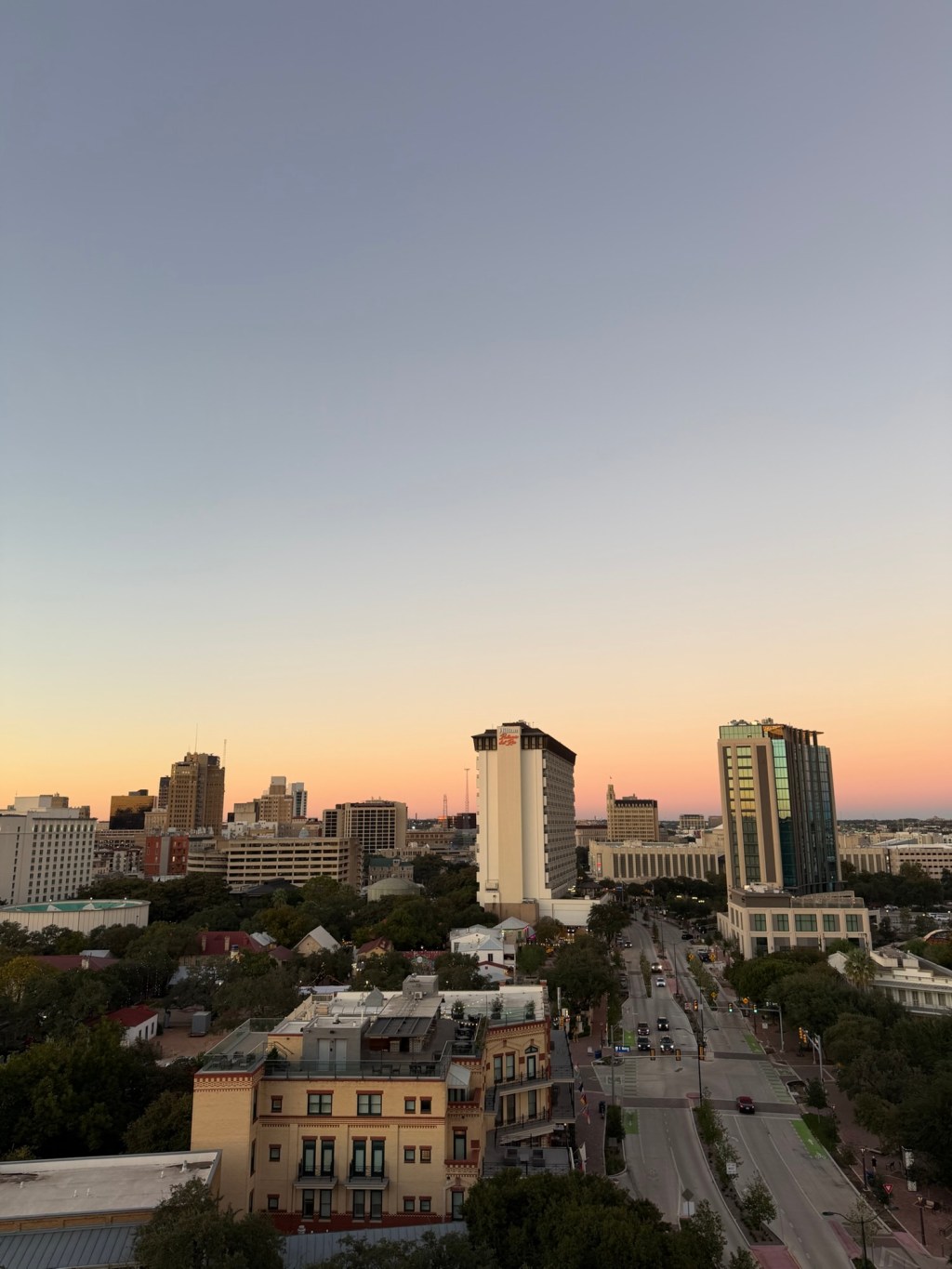
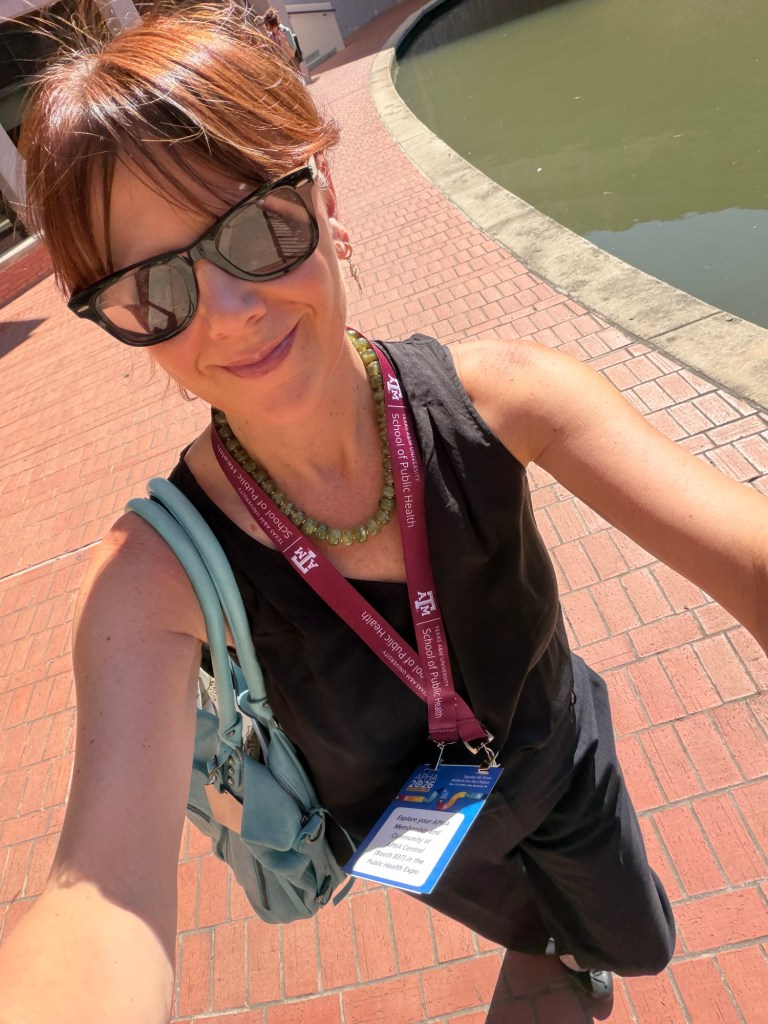
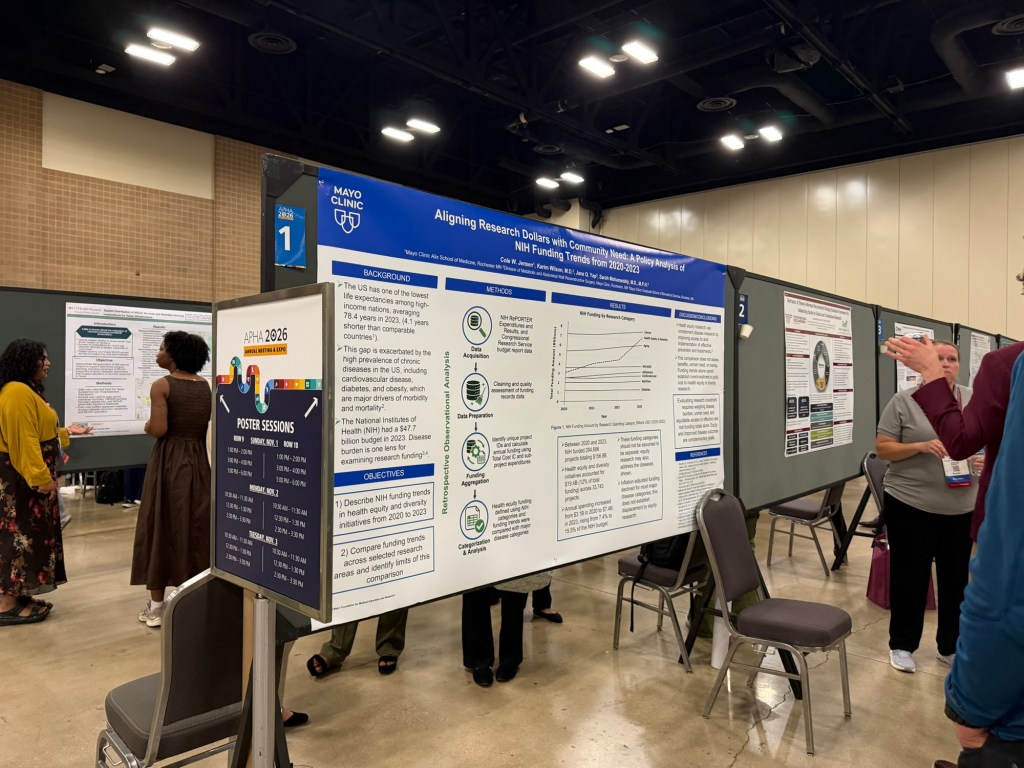
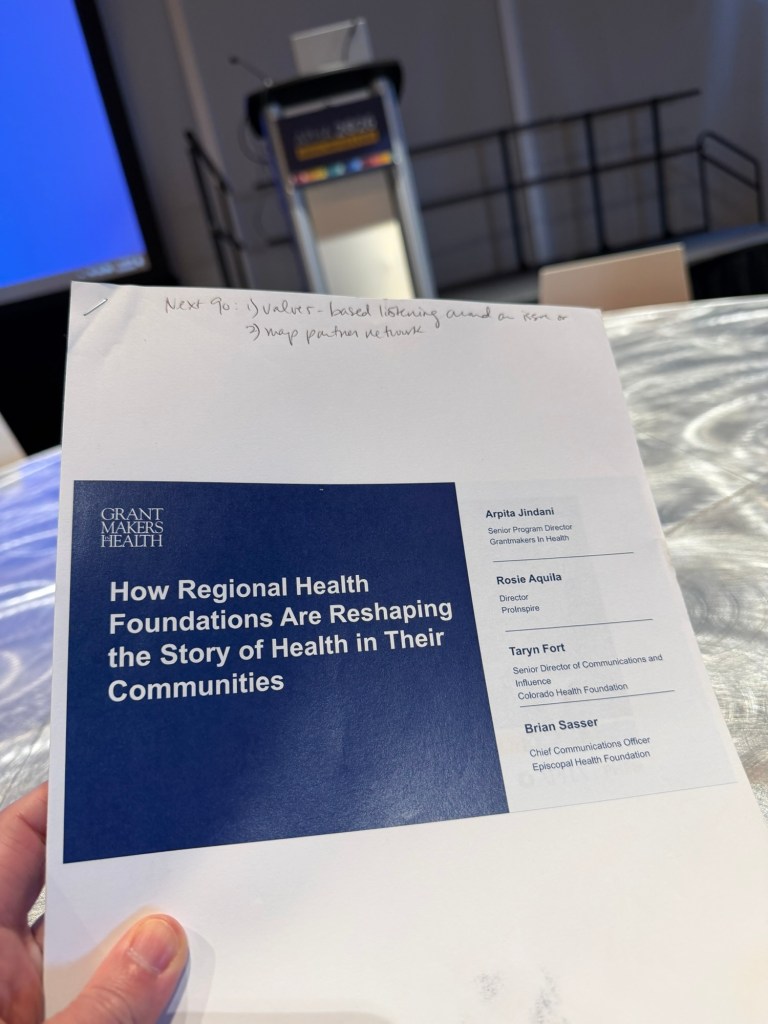
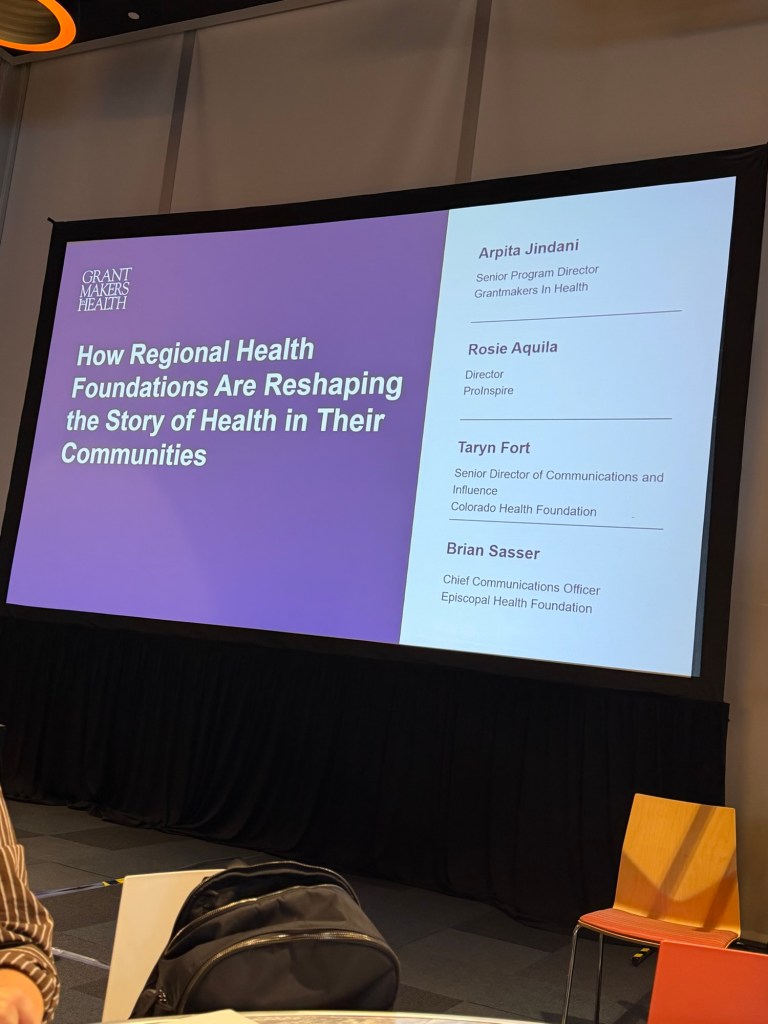
Last week, I was in San Antonio for the APHA Annual Meeting & Expo, where I joined a workshop called How Regional Health Foundations Are Reshaping the Story of Health in Their Communities.
It took place on November 3, which also happened to be Election Night in Texas. I could not have scripted a more fitting backdrop for a conversation about stories: who tells them, who gets left out of them and how they change, all while a state waited to find out how its own story would turn out.
Changing the story, not just the message
The workshop came together through Grantmakers In Health. Arpita Jindani, GIH’s senior program director for health equity, built a panel of regional health foundations working in very different political contexts. I joined Brian Sasser, chief communications officer at Episcopal Health Foundation in Texas, and Rosie Aquila of ProInspire, who co-facilitated. Brian (who I’ve known for years as a thought partner and philanthropy comms therapist for me) and I each shared a case study from home: his from Texas, mine from Colorado.
Colorado and Texas are not the same place, politically or culturally. Yet our foundations face a shared challenge: helping people understand the social and structural conditions that shape health, in places where facts alone rarely do the work. That shared challenge is what made the room so useful.
One distinction kept resurfacing: narrative change is not strategic communications. A well-crafted message can move attention in the near term, and that has real value. Narrative change is slower and more relational. It is about the underlying stories and values people use to make sense of health, belonging and who deserves what, and it asks an institution to think in years rather than grant cycles.
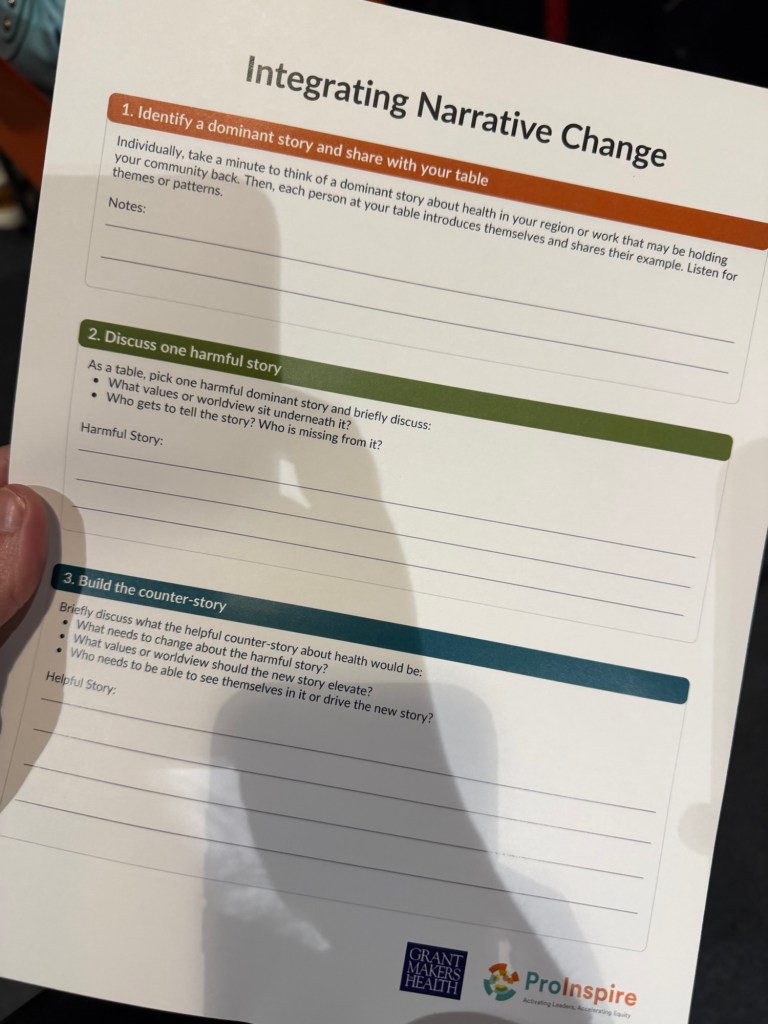
The best part was turning that idea into practice. Table by table, participants named a dominant story about health in their own region, then asked what values sit underneath it, who gets to tell it and who is missing from it. From there, they sketched a counter-story grounded in different values.
The last exercise was an index card with a deceptively simple prompt: “We’re shifting the story from ___ to ___. One change that would have to happen is ___.” That final blank is the hard part. It asks what has to change inside an organization, not only in the world outside it, to carry a new story forward. It is also a good question for me to bring home to my own work.
Election night in San Antonio
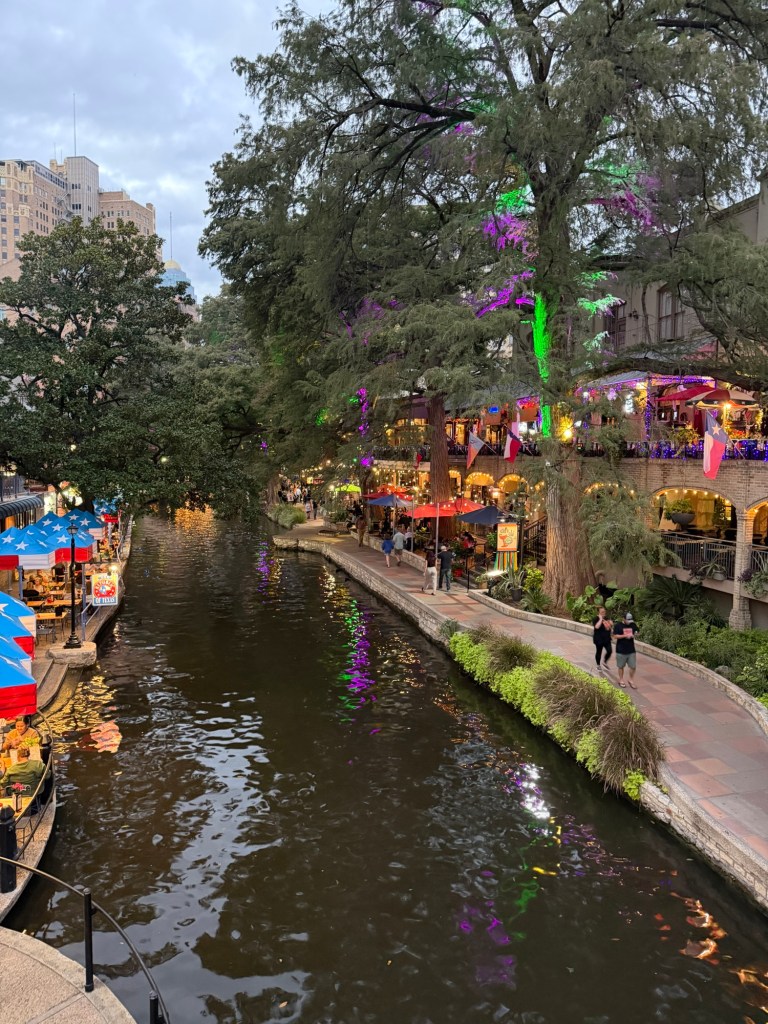
Later that night, as the results came in and Texas turned blue, San Antonio took to the streets. Cars cruised through downtown with their horns blaring, and people whooped and cheered as they walked along the sidewalks in and around the River Walk. Democrats had won statewide offices they had not held in more than three decades, and the city sounded like it.
Honking down Commerce Street is a San Antonio tradition usually saved for Spurs playoff wins, so hearing it for an election gave the night a different kind of energy. It felt less like a political event and more like a cultural one: neighbors, friends and strangers sharing the same joy at the same moment, out in the open.
What stayed with me was not the scoreboard but the sound. After an afternoon spent talking about how stories shape what people believe is possible, it was hard to miss what a community sounds like when it sees its own values reflected in who will lead the state. Narrative change happens in conference rooms like ours, but it also happens on sidewalks, in car horns and in a collective whoop that carries across a river.
Then the week got interesting
If the workshop was the calm, the following week was something else. On Thursday, November 12, a Microsoft outage began disrupting Outlook, Teams calendars, Copilot and other services that depend on Exchange Online. It lasted more than a day and reached organizations in dozens of countries. Microsoft said it found no evidence of malicious activity and traced the problem to servers failing automated health checks.
Then, on Friday the 13th (of course), the FAA ordered a nationwide ground stop on departing flights after a communications failure at air traffic control centers. It lasted more than four hours, and thousands of flights were canceled or delayed. Officials said it was not connected to the Microsoft outage.
Two unrelated failures, one shared lesson. The systems we rely on to move information and people are infrastructure. We rarely think about them until they stop working, and then we cannot think about anything else. The same is true of local news, trusted messengers and the stories a community tells about itself. They only look optional until they are gone.
Meanwhile, five vaccines
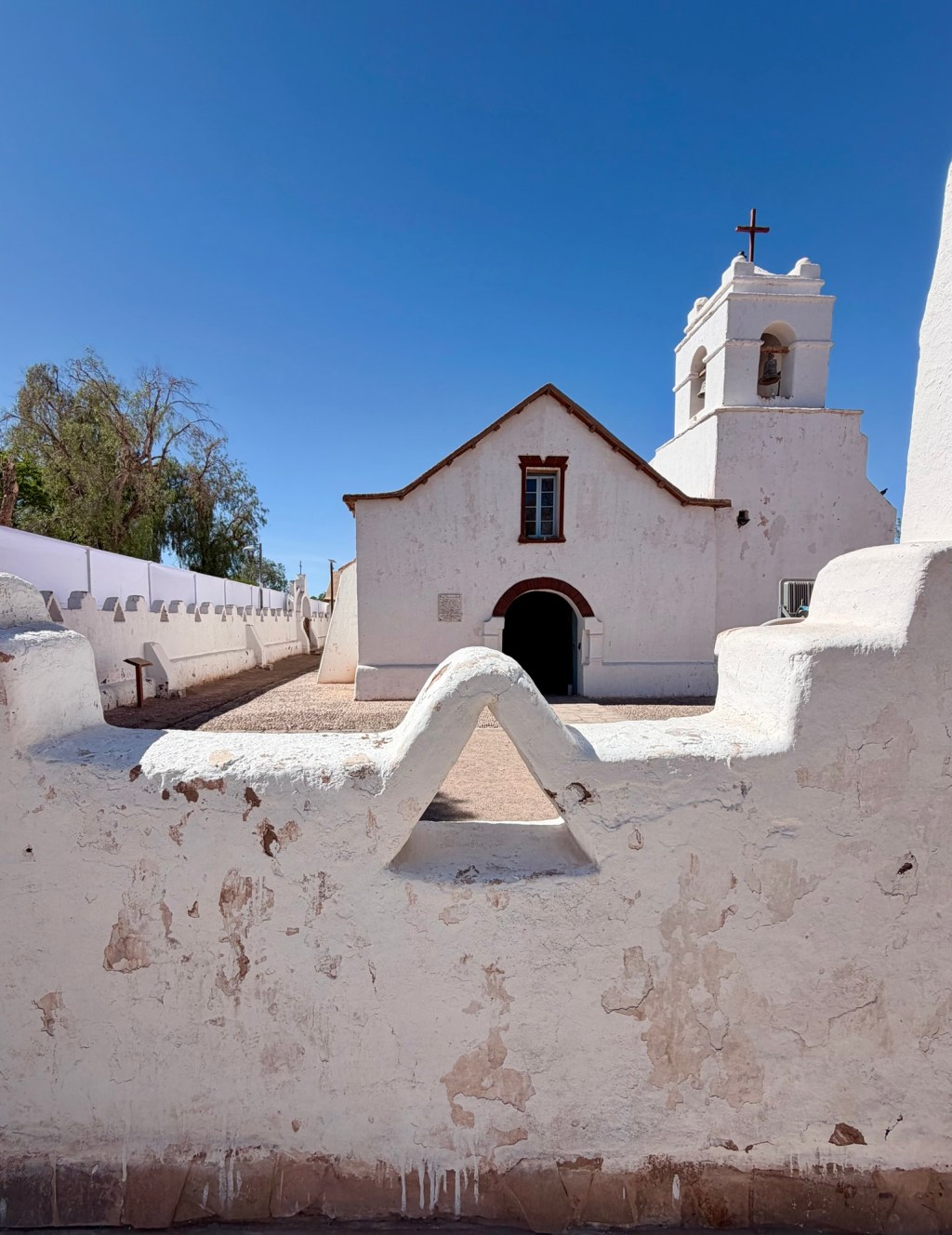
My own week had a smaller infrastructure project running alongside the headlines: getting my body ready for Chile. I leave next week for my residency near San Pedro de Atacama, and that meant five vaccines before I go. I am a health communicator who believes in vaccines, so I would like the record to show that I practiced what I preach.
I would also like the record to show that I got sick afterward, and sicker than I expected. I will spare you the details, but it was not the calm, packed-and-ready final stretch I had imagined. It was more of a lie-down-and-reassess situation, conducted while the world’s email and air travel did their own versions of the same thing.
There is something fitting in that. Preparation, whether for a workshop, a flight or a residency, rarely feels the way the plan says it will. Narrative change has the same quality. The work lives in what you do when the plan wobbles: who you check in with, what you adjust and what you refuse to let go of.
What I’m carrying with me
A few things are going into the suitcase alongside the sunscreen. Ask who is telling the story and who is missing from it. Treat the systems we depend on as infrastructure worth investing in, and keep a backup plan that does not rely on a single one of them. And plan for a few more plot twists, because in my experience they tend to show up right before a big trip.
Thank you to my fellow panelists, Arpita, Brian and Rosie, and to Grantmakers In Health for organizing the workshop. Thank you, too, to everyone who joined us in San Antonio for a thoughtful conversation about stories, systems and health equity. I will be writing from the Atacama soon.



Leave a Reply