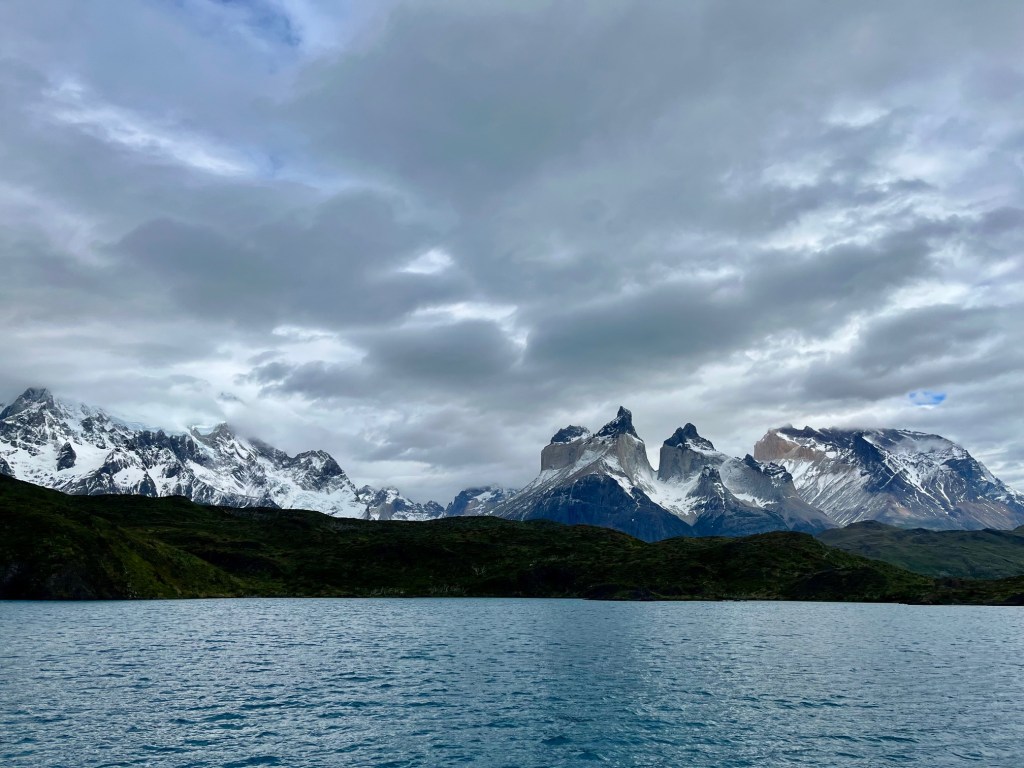
My experiences in Patagonia—first in Argentina and later in Chile—cracked open many of the interests that have since come to shape my work and led me to where I am now. Being there widened the frame through which I understand place, community, and social change. It invited me to look beyond a U.S. lens and pay closer attention to how geography, history, culture, and political context shape the ways people understand land, belonging, development, and responsibility. The questions that began taking form there now run through my work in philanthropy and communications, my focus on rural and environmental justice, and the learning I am carrying into the Atacama residency.
Argentina and Chile share the vast geography of Patagonia, along with powerful questions about rural identity, environmental stewardship, tourism, extraction, conservation, and the distance between local communities and centers of decision-making. Yet the border matters. Each country carries distinct histories, institutions, cultural narratives, and relationships among communities, government, markets, and the land. Moving between them taught me that comparison can reveal patterns, but only when it leaves room for difference.
The crossroads lie in the questions both places continue to raise for me: Who gets to define progress? How are the benefits and burdens of development shared? Whose knowledge guides decisions about land and water? And how can philanthropy, storytelling, and public institutions learn across borders without treating one place as a model for another? Patagonia helped me see international learning not as the search for answers to bring home, but as a practice of becoming more curious, humble, and attentive to context.

