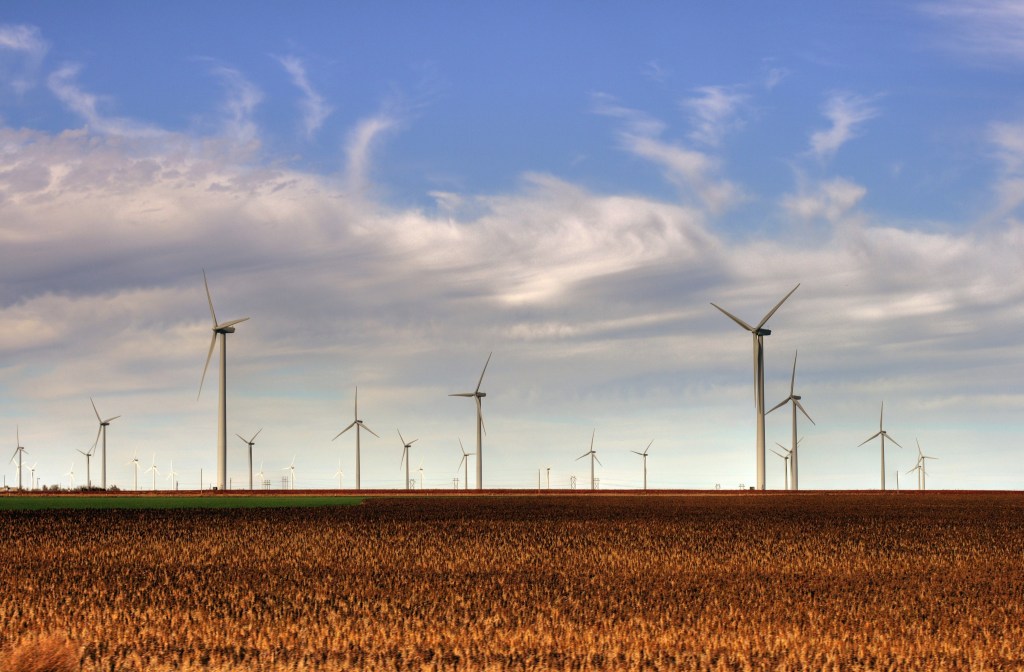
This is me, near the end of August, traveling to visit childhood friends, far away from the Rocky Mountains. I know the stretch of I-70 across Kansas by rhythm: long horizons, open fields, grain elevators, exits that mark distance as much as destination. It is part of the world where I grew up, and one I still travel through often. Over time, another feature has joined that landscape: rows of wind turbines, their blades turning above farmland and prairie.
They have changed both the view and the story of energy in Kansas. Wind surpassed coal as the state’s largest source of electricity generation in 2019, turning a force that has always shaped life on the plains into a major source of power. The turbines can bring lease income, investment and jobs to rural places, even as communities continue to debate siting, wildlife, land use, ownership and who has a meaningful voice in deciding what change should look like.
Driving past them, I feel both possibility and tension. The land is still producing—crops, grazing, livelihood—but it is also being asked to carry a new energy future. The turbines remind me that the transition away from fossil fuels is never simply technological. It is physical and local. It changes sightlines, economies, relationships to place and the stories communities tell about themselves.
That is one reason this familiar Kansas landscape feels connected to the questions I will carry into my La Wayaka Current residency in the Atacama. In northern Chile, global demand for lithium links clean-energy ambitions to fragile salt-flat ecosystems, scarce water and the rights and knowledge of Indigenous communities. Kansas wind and Atacama lithium are not equivalent, but they reveal a shared challenge: even solutions designed to address climate change leave a footprint somewhere.
A just transition asks more than how much renewable energy we can produce or how quickly we can electrify. It asks who benefits, who bears the costs, who makes the decisions and whether the people who know a place most intimately are helping shape its future.
As I travel again between Colorado, Kansas and the Atacama, I want to pay closer attention to what energy infrastructure makes visible—and what it can obscure. The future may be renewable, but justice depends on how we build it, where we build it and whose relationship to the land we choose to honor.


Leave a Reply