Last week, I visited San Antonio to attend Press Forward Summit 2026 with funders, journalists and community leaders about the erosion of local news—and the growing reach of disinformation across our information ecosystem.
It is hard to overstate what is lost when communities have fewer trusted reporters asking questions, documenting decisions and helping people make sense of what is happening around them. The absence is not simply a media problem. It affects public health, civic participation, accountability and whether people can find credible information when it matters most.
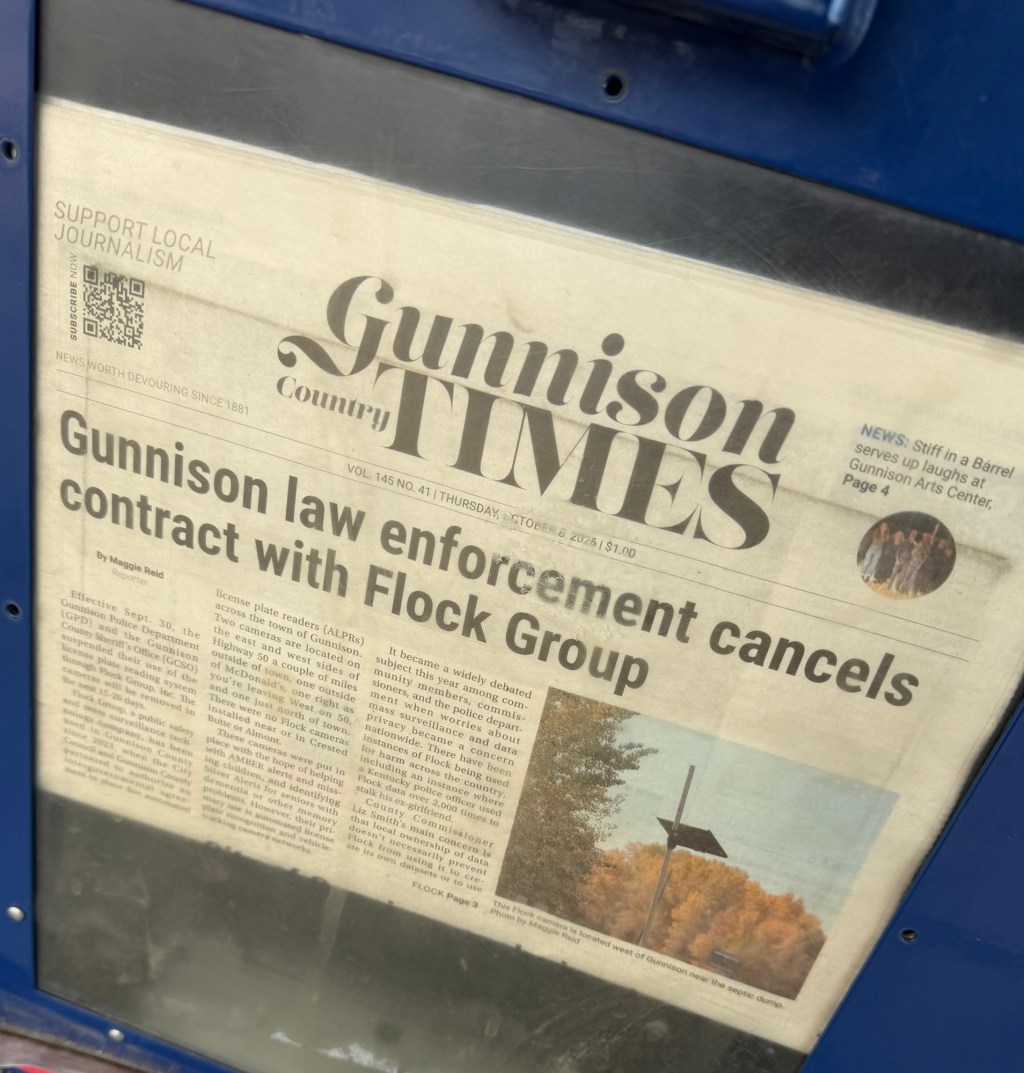
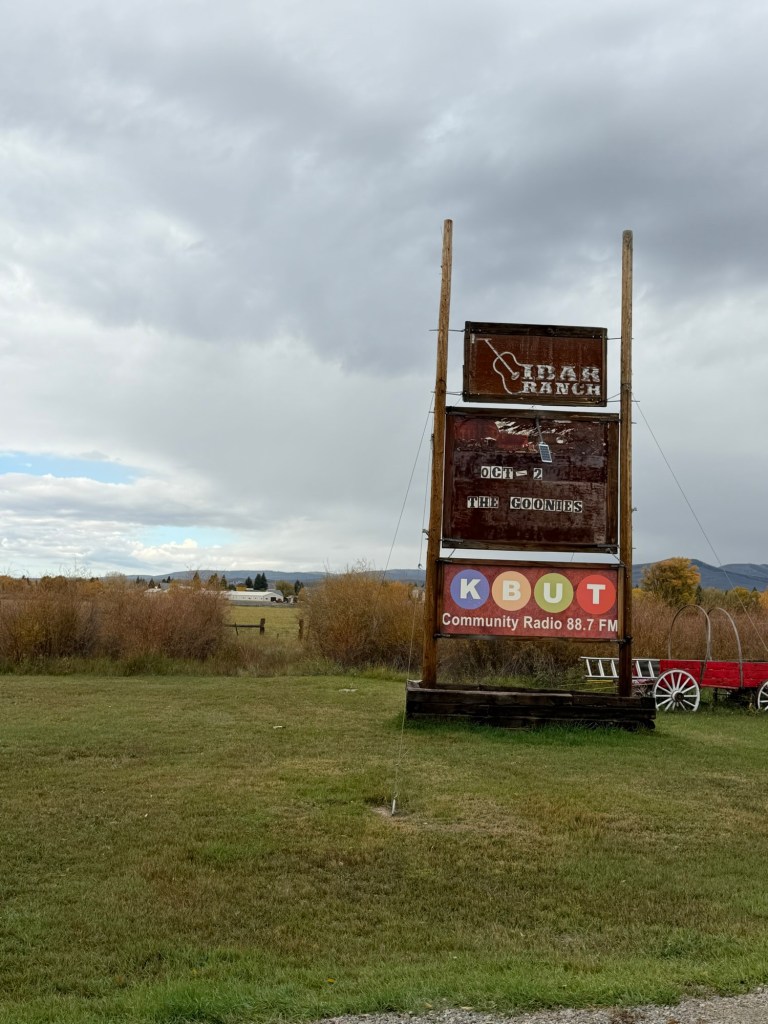
Later that week, I had the chance to experience that ecosystem firsthand in Gunnison, Colorado. Local public media and a community print newspaper were doing the essential work of reporting from and for the valley, alongside the social media channels where residents already share news, questions and lived experience in real time. Together, they showed me that a healthy local information ecosystem is not built through any single platform, but through trusted outlets and community networks reinforcing one another—each helping information travel farther, reach different audiences and stay grounded in place.
That feels especially relevant to my everyday work, where communications, journalism and media investing are part of a larger commitment to health equity. People cannot make informed choices about their health—or shape the policies and systems affecting their lives—without access to information they trust. And communities cannot tell fuller stories about themselves when the infrastructure for listening, reporting and local accountability continues to disappear.
Conversations like this are pushing me to think beyond countering false claims one at a time. What does it take to build a healthier information ecosystem—one rooted in strong local journalism, trusted messengers, community knowledge and durable relationships? What role can philanthropy play without compromising editorial independence or assuming that trust can be manufactured from a distance?
I want to carry those questions with me to the Atacama and beyond in all the work I do. In remote desert communities, information about water, extraction, environmental risk, Indigenous rights and public decisions can be fragmented, contested or shaped by institutions far from the people most affected. I’m curious about how local knowledge travels there: who is trusted, which stories gain authority, what gets lost between community experience and public narrative, and how people respond when official information conflicts with what they witness on the land.


Leave a Reply