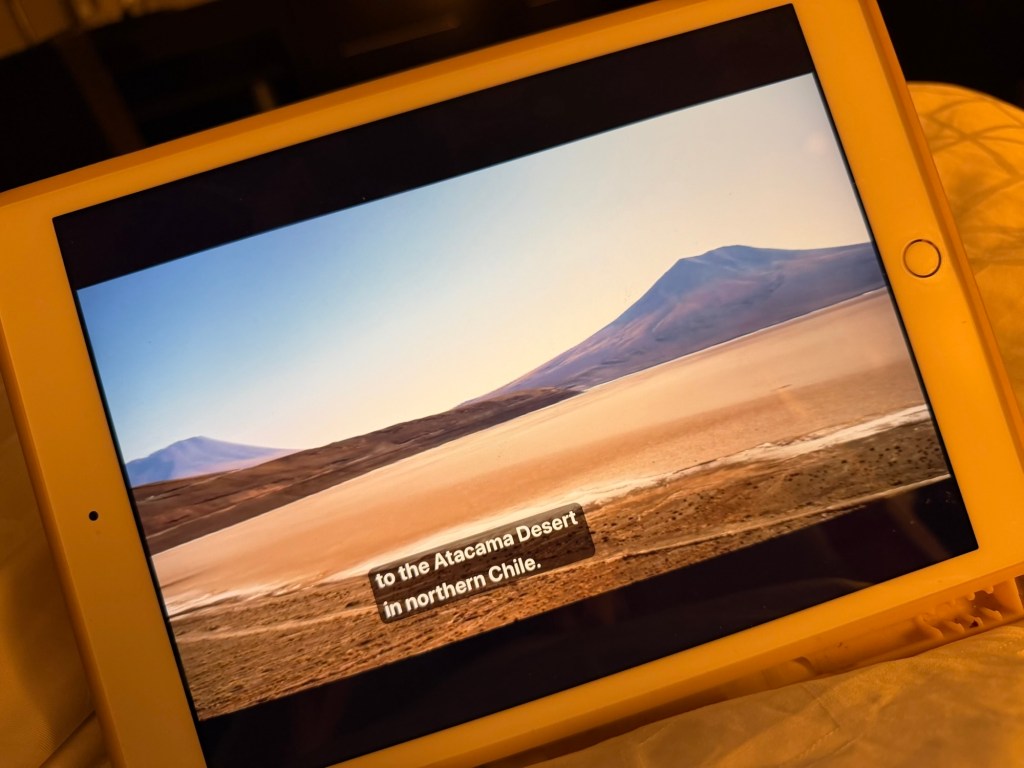
Last night, I watched Lithium Rising: The Race for Critical Minerals on PBS, and I’m still sitting with its central question: what happens when the technologies we need for a cleaner future depend on extraction from places already carrying so much ecological burden?
The film follows the global race for minerals powering batteries, electric vehicles, and renewable energy systems. But what stayed with me most was the human geography of it all: miners, Indigenous leaders, policymakers, and frontline communities navigating the promises and harms of a new resource boom.
The connections to the Atacama felt especially immediate. The documentary makes clear that water scarcity, land rights, ecological fragility, and community self-determination cannot be treated as side issues in the transition away from fossil fuels. They are the transition.
That feels like an important challenge for philanthropy, communications, and narrative strategy: how do we support climate solutions without turning “green” into another word for sacrifice zones somewhere else?
Lithium Rising is worth watching because it complicates an easy story. It asks us to imagine an energy transition that is more honest, more accountable, and more just.
#LithiumRising #CriticalMinerals #ClimateJustice #EnvironmentalJustice #Atacama #IndigenousRights #JustTransition #NarrativeChange #PlaceBasedPhilanthropy #PBS


Leave a Reply