Lately, I’ve been gathering a small constellation of readings and videos that are helping me think more deeply about desert life, extraction, memory and justice — especially as I prepare for time in the Atacama.
What connects these pieces for me is a shared invitation to see land not as empty space, but as a living archive: of Indigenous knowledge, migration, labor, ecological change, political struggle and community resilience.
• Historias de Pastores y Pastoras de la Puna de Atacama — a beautiful collection of stories and photographs from pastoral communities in places like Catarpe, Chiu Chiu, Ollagüe, Solcor and Talabre. It is grounding me in the deep relationships among herding, water, wetlands, cultural identity and climate resilience.
• A documentary teaser on the Atacama — I’m watching for visual and narrative cues: how landscape is framed, whose voices are centered, and how beauty can either deepen understanding or flatten complexity. This film is called Andean Salt Flats: Water Is Worth More Than Lithium (2022) and is produced by the Tantí Foundation.
• Justice for Andean Wetlands and Indigenous Peoples in Climate Action — a COP30 briefing from the Alliance for Andean Wetlands on transition minerals, Indigenous rights, high Andean wetlands and the need for climate action that does not reproduce extractive harm.
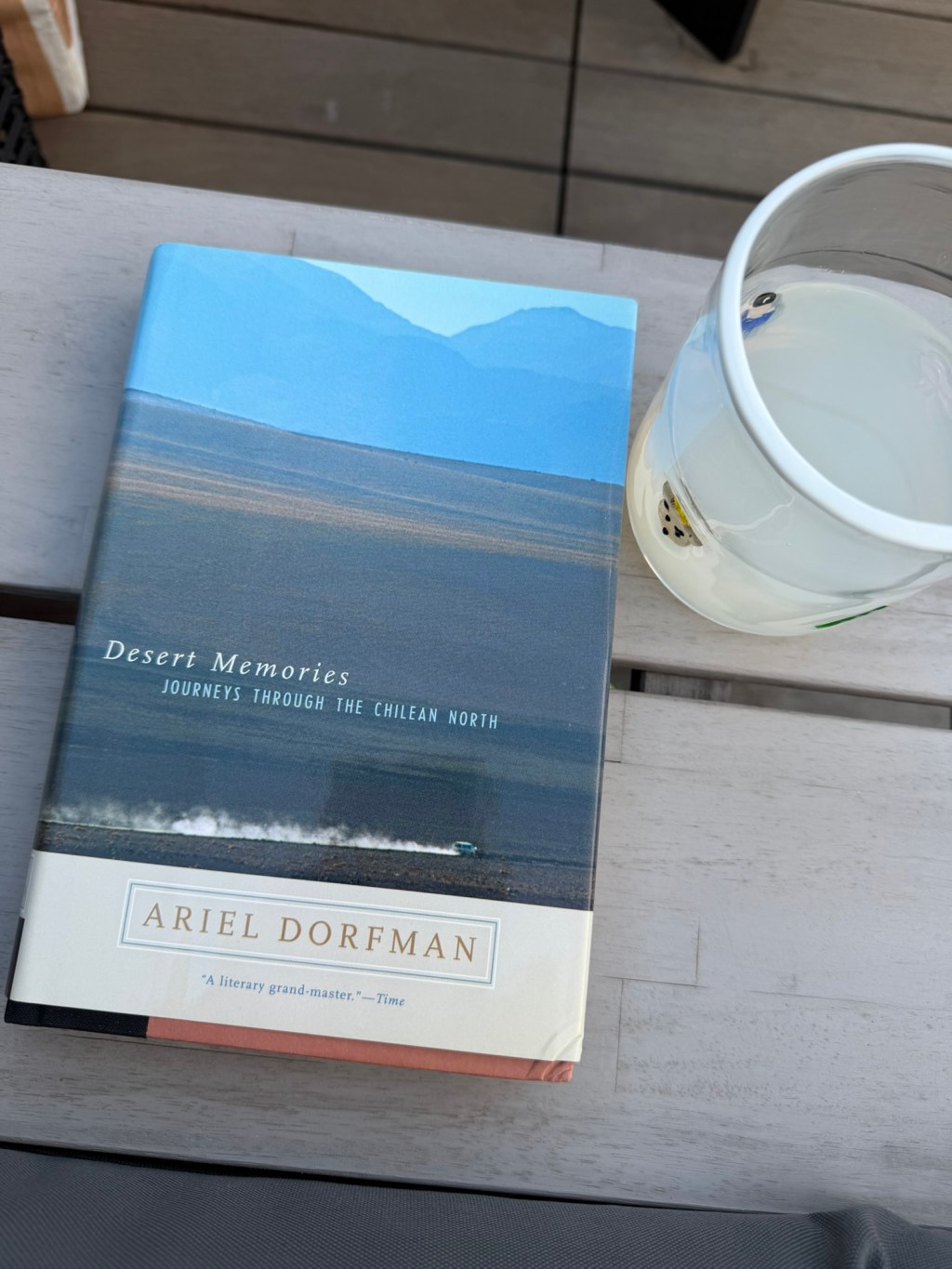
• Desert Memories: Journeys Through the Chilean North by Ariel Dorfman — a layered travel memoir that traces Chile’s northern desert through memory, mining, labor, politics, exile and the long shadows of history.
Together, they’re helping me ask better questions: What does a just transition look like from the perspective of places already living with extraction? How do communities carry knowledge across generations in fragile ecosystems? And how might philanthropy, communications and narrative strategy better honor the people who know these landscapes most intimately?


Leave a Reply