When we talk about what communities need to thrive, information deserves a place in the conversation. Not as an afterthought, but as infrastructure: something people need to understand decisions, navigate their lives, and participate in shaping what comes next.
Last week, that idea was at the heart of a conversation I joined at Philanthropy Southwest in Tucson, where I shared The Colorado Health Foundation’s media grantmaking journey and learned alongside fellow funders.
In a hands-on workshop led by Media Impact Funders, “Information Is Infrastructure: Strengthening Community Trust Through Media Grantmaking,” we worked through scenarios and explored where media belongs in grantmaking—including how a funder might take the first step with a media grant.
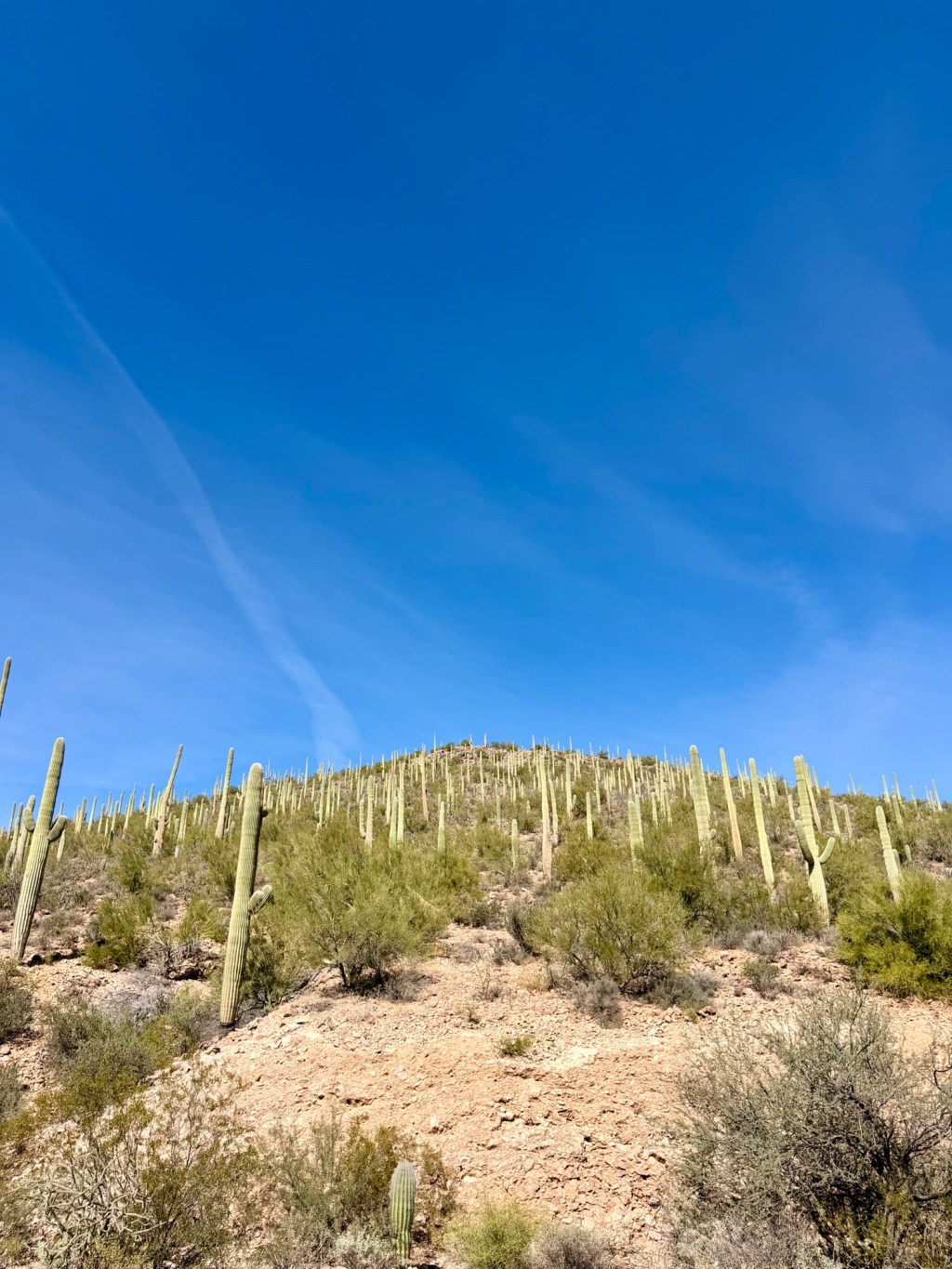
I managed to squeeze in a brief hike (sadly, in ballet flats because my schedule was tight) near the hotel, too. The temperatures were just right for being outside this time of year—a welcome chance to get moving and take in the landscape between conference conversations.
I also experienced a dark-skies demonstration in Tucson—a different way to think about what communities share and what is worth protecting. In Tucson and across southern Arizona, protecting the night sky supports astronomical research, local wildlife, and people’s connection to the stars. Tucson and Pima County’s lighting ordinances help preserve that connection for residents and researchers alike.
For me, that experience offered a parallel to our conversation about information: some of the things that sustain a community are easy to take for granted until they are diminished. Protecting them takes shared understanding and collective choices. Whether we are talking about the night sky or trustworthy local information, the question is worth asking: What does this community value, and how can philanthropy help people protect and shape it?
I came back to a question that sits underneath this work: What becomes possible when people have trustworthy local information—and a meaningful say in the stories that shape their communities?
Information connects health and civic life
In the work I help to lead, it all comes back to people and what they need to be healthy and engaged in the place they live. I see the information ecosystem as a determinant of health and of people’s ability to be civically engaged. Trustworthy local information helps communities understand decisions, see their knowledge reflected, and shape their futures.
For philanthropy, that connection invites us to think about media grantmaking as more than support for content. It is an investment in the conditions that help people participate: access to information they can trust, room for their experiences and knowledge, and opportunities to influence the conversation.
Representation is not the same as power
Especially in rural communities, seeing yourself in a story isn’t the same as having a say in it.
That distinction matters to me. Representation asks whether people appear in the narrative. Having a say asks something deeper: whether they can help shape the questions, contribute their knowledge, and influence how their community is understood.
As funders, we can hold both ideas together. We can value stories that reflect communities while also asking whether our investments create space for people to shape those stories.
Start with questions—and learn together
One thing I appreciated about the workshop was the opportunity to work through scenarios with other funders. It made space to explore practical choices, not just agree on the importance of the issue.
For anyone considering a first media grant, I would start with questions: What information do people need? How does information flow in a community you care about? Whose knowledge is being heard? Is local news reflective of all the people who live in the area being served? Where do communities already place their trust? And how could an investment strengthen people’s ability to participate, rather than simply speak on their behalf?
There isn’t a one-size-fits-all approach to this work. But those questions give funders a place to begin: listening to what people need, understanding who they already trust, and making investments that give them more say in the information that shapes their lives. More listening, more community say—and next time, better shoes.
#PhilanthropySouthwest #MediaGrantmaking #LocalNews #CommunityPower

Leave a Reply